News
-
 The Suyeonggang Human Bridge embodies Busan's 15-minute city philosophy
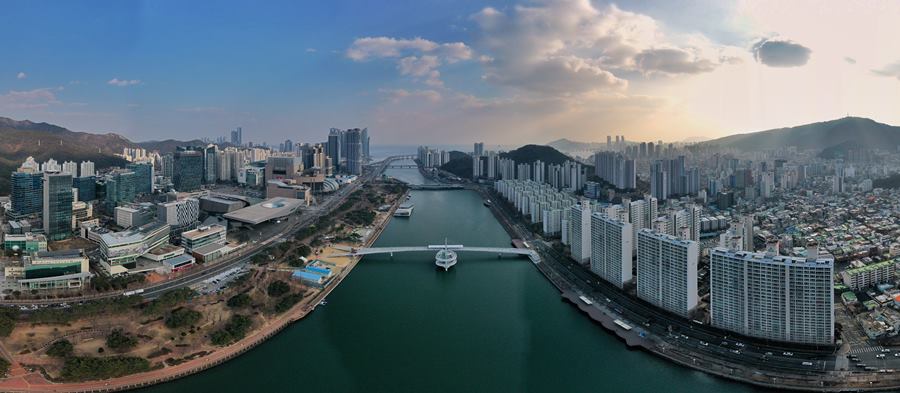
The Suyeonggang Human Bridge is now complete, establishing a pedestrian walkway across the Suyeonggang River. The footbridge connects both banks of the river to provide barrier-free access between residential areas and APEC Naru Park and Busan Cinema Center.Before the bridge opening, the walk from the Hyeopseong Renaissance Apartment complex, on the Suyeong-gu bank of the river, to APEC Naru Park, on the Haeundae-gu side, covered about 1.3 kilometers. Pedestrians had to cross either the Suyeonggyo Bridge or the Jwasuyeonggyo Bridge alongside vehicle traffic. Now, however, the walk is roughly 250 meters.First promoted in 2020, the Suyeonggang Human Bridge Development Project is a key element of Busan's 15-Minute City initiative. Construction began in 2023 to enhance pedestrian mobility and expand waterfront cultural and tourism spaces. The completion of the bridge creates a continuous walkway between the commercial and cultural spaces of Centum City, the leisure and tourism spots of Gwangalli and the residential neighborhoods between.The curving walkway spans 254 meters across and stands four meters above the water. Cine Island, a 20-meter-high observation deck in the middle of the bridge, features 360-degree views of the river and the surrounding cityscape. Suyeonggang Human Bridge is expected to attract residents and visitors and may serve as a venue for future cultural events and performances.As a barrier-free walkway, the bridge is equipped with elevators and gentle ramps to ensure accessibility for everyone, especially for individuals in wheelchairs and families with strollers. In addition, Busan plans to designate the bridge as the city's first pedestrian-only thoroughfare, prohibiting vehicles, bicycles and personal mobility devices to create a safe and pleasant environment.A Busan City official stated, "The Suyeonggang Human Bridge is a symbolic example that best embodies the 15-minute city philosophy our city has pursued. It will serve as a cultural axis connecting mountains, rivers, beaches and Busan's major attractions through pedestrian-oriented routes, beginning from neighborhood walking paths near one's home." The official added, "We will strive to make Busan a city where everyday life - where citizens walk and meet neighbors, sharing the warmth of community - becomes its present and future, a city people would choose to live in even if born again."<Today's Vocabulary - 오늘의 단어>pedestrian: 보행자 mobility: 이동성 expand: 확장하다 stroller: 유모차 attraction: 관광명소 Editor: Song SoomiCopy Editors: Ryu Hyoseung, Anton J. Mapoy
The Suyeonggang Human Bridge embodies Busan's 15-minute city philosophy
The Suyeonggang Human Bridge is now complete, establishing a pedestrian walkway across the Suyeonggang River. The footbridge connects both banks of the river to provide barrier-free access between residential areas and APEC Naru Park and Busan Cinema Center.Before the bridge opening, the walk from the Hyeopseong Renaissance Apartment complex, on the Suyeong-gu bank of the river, to APEC Naru Park, on the Haeundae-gu side, covered about 1.3 kilometers. Pedestrians had to cross either the Suyeonggyo Bridge or the Jwasuyeonggyo Bridge alongside vehicle traffic. Now, however, the walk is roughly 250 meters.First promoted in 2020, the Suyeonggang Human Bridge Development Project is a key element of Busan's 15-Minute City initiative. Construction began in 2023 to enhance pedestrian mobility and expand waterfront cultural and tourism spaces. The completion of the bridge creates a continuous walkway between the commercial and cultural spaces of Centum City, the leisure and tourism spots of Gwangalli and the residential neighborhoods between.The curving walkway spans 254 meters across and stands four meters above the water. Cine Island, a 20-meter-high observation deck in the middle of the bridge, features 360-degree views of the river and the surrounding cityscape. Suyeonggang Human Bridge is expected to attract residents and visitors and may serve as a venue for future cultural events and performances.As a barrier-free walkway, the bridge is equipped with elevators and gentle ramps to ensure accessibility for everyone, especially for individuals in wheelchairs and families with strollers. In addition, Busan plans to designate the bridge as the city's first pedestrian-only thoroughfare, prohibiting vehicles, bicycles and personal mobility devices to create a safe and pleasant environment.A Busan City official stated, "The Suyeonggang Human Bridge is a symbolic example that best embodies the 15-minute city philosophy our city has pursued. It will serve as a cultural axis connecting mountains, rivers, beaches and Busan's major attractions through pedestrian-oriented routes, beginning from neighborhood walking paths near one's home." The official added, "We will strive to make Busan a city where everyday life - where citizens walk and meet neighbors, sharing the warmth of community - becomes its present and future, a city people would choose to live in even if born again."<Today's Vocabulary - 오늘의 단어>pedestrian: 보행자 mobility: 이동성 expand: 확장하다 stroller: 유모차 attraction: 관광명소 Editor: Song SoomiCopy Editors: Ryu Hyoseung, Anton J. Mapoy
-
 New expressway significantly reduces travel times between Mandeok and Centum
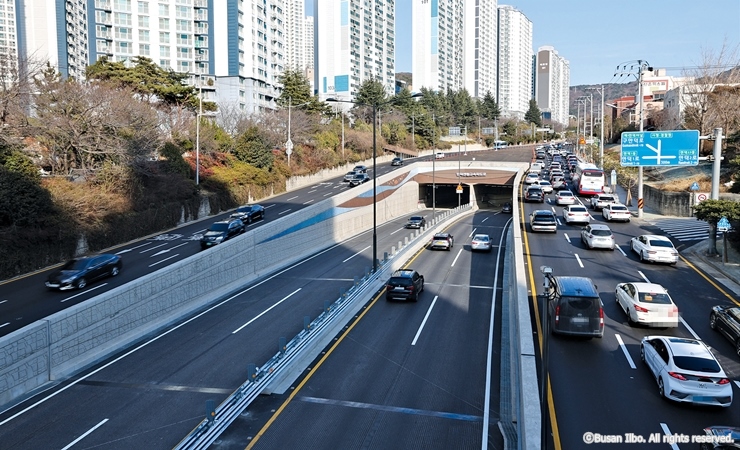
The Mandeok-Centum Expressway will dramatically improve traffic flow. On Feb. 10, the Mandeok-Centum Urban Expressway, Busan's first deep underground urban expressway, officially opened to the public. Stretching 9.62 km with four lanes, this deep-level tunnel reaches depths of 60 to 120 meters, connecting Mandeok-dong in Buk-gu District to Centum City along the Suyeonggang-byeon-daero in Haeundae-gu District. By bypassing surface traffic entirely, this new infrastructure forms a vital transport axis, marking a significant turning point in the shift toward an advanced underground traffic system. Designed to provide a fast and safe link between eastern and western Busan, the expressway is expected to drastically ease chronic congestion on Mandeok-daero and alleviate bottlenecks on major arterial roads like Chungnyeol-daero and Suyeong gang-byeon-daero, transforming traffic flow across the city. The impact on travel time is significant. Previously, travelling this route at an average speed of 18.2 kph took roughly 42 minutes. The new expressway boosts that speed to 61.7 kph, slashing travel time to just under 12 minutes. Even the journey from Gimhae International Airport to Haeundae, which used to take an hour, is now expected to be cut in half. Tolls vary by time of day. During peak commuting hours (7 a.m. to noon, 4 to 9 p.m.), the toll for passenger cars travelling from Mandeok IC to Centum IC is 2,500 won. Between midnight and 5 a.m., the toll is 1,100 won; all other hours it is 1,600 won. Tolls are automatically collected via Hi-Pass, registration on the Mandeok-Centum Expressway homepage, or manually via the website or customer call center.
New expressway significantly reduces travel times between Mandeok and Centum
The Mandeok-Centum Expressway will dramatically improve traffic flow. On Feb. 10, the Mandeok-Centum Urban Expressway, Busan's first deep underground urban expressway, officially opened to the public. Stretching 9.62 km with four lanes, this deep-level tunnel reaches depths of 60 to 120 meters, connecting Mandeok-dong in Buk-gu District to Centum City along the Suyeonggang-byeon-daero in Haeundae-gu District. By bypassing surface traffic entirely, this new infrastructure forms a vital transport axis, marking a significant turning point in the shift toward an advanced underground traffic system. Designed to provide a fast and safe link between eastern and western Busan, the expressway is expected to drastically ease chronic congestion on Mandeok-daero and alleviate bottlenecks on major arterial roads like Chungnyeol-daero and Suyeong gang-byeon-daero, transforming traffic flow across the city. The impact on travel time is significant. Previously, travelling this route at an average speed of 18.2 kph took roughly 42 minutes. The new expressway boosts that speed to 61.7 kph, slashing travel time to just under 12 minutes. Even the journey from Gimhae International Airport to Haeundae, which used to take an hour, is now expected to be cut in half. Tolls vary by time of day. During peak commuting hours (7 a.m. to noon, 4 to 9 p.m.), the toll for passenger cars travelling from Mandeok IC to Centum IC is 2,500 won. Between midnight and 5 a.m., the toll is 1,100 won; all other hours it is 1,600 won. Tolls are automatically collected via Hi-Pass, registration on the Mandeok-Centum Expressway homepage, or manually via the website or customer call center.
-
 The Suyeonggang Human Bridge embodies Busan's 15-minute city philosophy
The Suyeonggang Human Bridge makes Busan more walkable and adds a new attraction for citizens and visitors to enjoy. The Suyeonggang Human Bridge is now complete, establishing a pedestrian walkway across the Suyeonggang River. The footbridge connects both banks of the river to provide barrier-free access between residential areas and APEC Naru Park and Busan Cinema Center. Before the bridge opening, the walk from the Hyeopseong Renaissance Apartment complex, on the Suyeong-gu bank of the river, to APEC Naru Park, on the Haeundae-gu side, covered about 1.3 kilometers. Pedestrians had to cross either the Suyeonggyo Bridge or the Jwasuyeonggyo Bridge alongside vehicle traffic. Now, however, the walk is roughly 250 meters. First promoted in 2020, the Suyeonggang Human Bridge Development Project is a key element of Busan's 15-Minute City initiative. Construction began in 2023 to enhance pedestrian mobility and expand waterfront cultural and tourism spaces. The completion of the bridge creates a continuous walkway between the commercial and cultural spaces of Centum City, the leisure and tourism spots of Gwangalli and the residential neighborhoods between. The curving walkway spans 254 meters across and stands four meters above the water. Cine Island, a 20-meter-high observation deck in the middle of the bridge, features 360-degree views of the river and the surrounding cityscape. Suyeonggang Human Bridge is expected to attract residents and visitors and may serve as a venue for future cultural events and performances. As a barrier-free walkway, the bridge is equipped with elevators and gentle ramps to ensure accessibility for everyone, especially for individuals in wheelchairs and families with strollers. In addition, Busan plans to designate the bridge as the city's first pedestrian-only thoroughfare, prohibiting vehicles, bicycles and personal mobility devices to create a safe and pleasant environment. A Busan City official stated, "The Suyeonggang Human Bridge is a symbolic example that best embodies the 15-minute city philosophy our city has pursued. It will serve as a cultural axis connecting mountains, rivers, beaches and Busan's major attractions through pedestrian-oriented routes, beginning from neighborhood walking paths near one's home." The official added, "We will strive to make Busan a city where everyday life - where citizens walk and meet neighbors, sharing the warmth of community - becomes its present and future, a city people would choose to live in even if born again."The bridge will be a pedestrian-only road.
The Suyeonggang Human Bridge embodies Busan's 15-minute city philosophy
The Suyeonggang Human Bridge makes Busan more walkable and adds a new attraction for citizens and visitors to enjoy. The Suyeonggang Human Bridge is now complete, establishing a pedestrian walkway across the Suyeonggang River. The footbridge connects both banks of the river to provide barrier-free access between residential areas and APEC Naru Park and Busan Cinema Center. Before the bridge opening, the walk from the Hyeopseong Renaissance Apartment complex, on the Suyeong-gu bank of the river, to APEC Naru Park, on the Haeundae-gu side, covered about 1.3 kilometers. Pedestrians had to cross either the Suyeonggyo Bridge or the Jwasuyeonggyo Bridge alongside vehicle traffic. Now, however, the walk is roughly 250 meters. First promoted in 2020, the Suyeonggang Human Bridge Development Project is a key element of Busan's 15-Minute City initiative. Construction began in 2023 to enhance pedestrian mobility and expand waterfront cultural and tourism spaces. The completion of the bridge creates a continuous walkway between the commercial and cultural spaces of Centum City, the leisure and tourism spots of Gwangalli and the residential neighborhoods between. The curving walkway spans 254 meters across and stands four meters above the water. Cine Island, a 20-meter-high observation deck in the middle of the bridge, features 360-degree views of the river and the surrounding cityscape. Suyeonggang Human Bridge is expected to attract residents and visitors and may serve as a venue for future cultural events and performances. As a barrier-free walkway, the bridge is equipped with elevators and gentle ramps to ensure accessibility for everyone, especially for individuals in wheelchairs and families with strollers. In addition, Busan plans to designate the bridge as the city's first pedestrian-only thoroughfare, prohibiting vehicles, bicycles and personal mobility devices to create a safe and pleasant environment. A Busan City official stated, "The Suyeonggang Human Bridge is a symbolic example that best embodies the 15-minute city philosophy our city has pursued. It will serve as a cultural axis connecting mountains, rivers, beaches and Busan's major attractions through pedestrian-oriented routes, beginning from neighborhood walking paths near one's home." The official added, "We will strive to make Busan a city where everyday life - where citizens walk and meet neighbors, sharing the warmth of community - becomes its present and future, a city people would choose to live in even if born again."The bridge will be a pedestrian-only road.
Enjoy Busan
-
 Geumjeongsan: Busan's mountain escape
Geumjeongsanseong Fortress (pictured) is the largest mountain fortress in Korea. In the past, it was a strategic point for defending against maritime incursions. On March 3, Geumjeongsan Mountain was officially designated as Korea's 24th national park. Nestled in the heart of Busan, the mountain is an everyday retreat where long history and lush nature coexist. Accessible by subway and bus, Geumjeongsan makes for a perfect half-day escape without ever leaving the city. The mountain reveals a different face to every visitor. Whether you're drawn to ridge trekking, a challenging summit climb or the quiet charm of a traditional mountain village, there's something here for everyone. As the winter chill fades and spring stirs the forest back to life, March is an ideal time to explore.Geumgang Park Cable Car■ Geumgang Park Cable Car → South Gate → Sanggyebong Peak First-timers will feel right at home on this route. From Oncheonjang Station, a 20-minute walk leads to the Geumgang Park Cable Car, which has been in operation since the 1960s and welcomes visitors with its charming, retro vibe. As the car glides above the forest, a cinematic panorama of the city unfolds. From the upper station, a gentle ridge trail winds past Geumjeongsanseong Fortress, where ancient walls weave through the trees. The trail to Sanggyebong Peak rewards hikers with stunning views of both the city and the surrounding peaks.Beomeosa TempleGeumsaem SpringGodangbong Peak■ Beomeosa Temple → North Gate → Geumsaem Spring → Godangbong Peak This is the quintessential Geumjeongsan experience. Starting at Beomeosa Temple - a short bus ride from Beomeosa Station - the city noise quickly fades into the deep hush of the mountain. Stone steps and ridge trails lead to Geumsaem Spring, a natural rock pool that gives the mountain its name. Legend has it that the water never runs dry, glows with a golden hue and that a fish descended from heaven to play in the spring. At the top, Godangbong Peak delivers a breathtaking 360-degree view of downtown Busan, the Nakdonggang River, and the East Sea. There are no facilities at the summit, so bring plenty of water and snacks. In spring, watch your footing as thawing ground can make trails slippery.Makgeolli Making Experience■ Sanseong Village → Geumjeongsanseong Fortress → West Gate This route blends history with local culture. Sanseong Village, tucked high in the mountain valleys, is a unique destination where ancient fortress walls and towering peaks are simply part of daily life. It's easily reached by bus from the Oncheonjang area. Gentle forest and valley trails lead toward the West Gate, where the fortress walls make clever use of the natural terrain. After the walk, the village itself is worth exploring. Sanseong is famous for its traditional makgeolli (rice wine), brewed here using centuries-old methods. Visitors can even join a hands-on brewing program that costs 35,000 won per person and takes approximately two hours. After a trek, there is no better way to wind down than with local food and a bowl of freshly made makgeolli. Travel TipsSince Geumjeongsan Mountain is a national park, nature conservation regulations are strictly enforced. Visitors must stay on designated trails and carry out all trash to protect the environment. As March brings significant temperature swings, carrying a light jacket is highly recommended.
Geumjeongsan: Busan's mountain escape
Geumjeongsanseong Fortress (pictured) is the largest mountain fortress in Korea. In the past, it was a strategic point for defending against maritime incursions. On March 3, Geumjeongsan Mountain was officially designated as Korea's 24th national park. Nestled in the heart of Busan, the mountain is an everyday retreat where long history and lush nature coexist. Accessible by subway and bus, Geumjeongsan makes for a perfect half-day escape without ever leaving the city. The mountain reveals a different face to every visitor. Whether you're drawn to ridge trekking, a challenging summit climb or the quiet charm of a traditional mountain village, there's something here for everyone. As the winter chill fades and spring stirs the forest back to life, March is an ideal time to explore.Geumgang Park Cable Car■ Geumgang Park Cable Car → South Gate → Sanggyebong Peak First-timers will feel right at home on this route. From Oncheonjang Station, a 20-minute walk leads to the Geumgang Park Cable Car, which has been in operation since the 1960s and welcomes visitors with its charming, retro vibe. As the car glides above the forest, a cinematic panorama of the city unfolds. From the upper station, a gentle ridge trail winds past Geumjeongsanseong Fortress, where ancient walls weave through the trees. The trail to Sanggyebong Peak rewards hikers with stunning views of both the city and the surrounding peaks.Beomeosa TempleGeumsaem SpringGodangbong Peak■ Beomeosa Temple → North Gate → Geumsaem Spring → Godangbong Peak This is the quintessential Geumjeongsan experience. Starting at Beomeosa Temple - a short bus ride from Beomeosa Station - the city noise quickly fades into the deep hush of the mountain. Stone steps and ridge trails lead to Geumsaem Spring, a natural rock pool that gives the mountain its name. Legend has it that the water never runs dry, glows with a golden hue and that a fish descended from heaven to play in the spring. At the top, Godangbong Peak delivers a breathtaking 360-degree view of downtown Busan, the Nakdonggang River, and the East Sea. There are no facilities at the summit, so bring plenty of water and snacks. In spring, watch your footing as thawing ground can make trails slippery.Makgeolli Making Experience■ Sanseong Village → Geumjeongsanseong Fortress → West Gate This route blends history with local culture. Sanseong Village, tucked high in the mountain valleys, is a unique destination where ancient fortress walls and towering peaks are simply part of daily life. It's easily reached by bus from the Oncheonjang area. Gentle forest and valley trails lead toward the West Gate, where the fortress walls make clever use of the natural terrain. After the walk, the village itself is worth exploring. Sanseong is famous for its traditional makgeolli (rice wine), brewed here using centuries-old methods. Visitors can even join a hands-on brewing program that costs 35,000 won per person and takes approximately two hours. After a trek, there is no better way to wind down than with local food and a bowl of freshly made makgeolli. Travel TipsSince Geumjeongsan Mountain is a national park, nature conservation regulations are strictly enforced. Visitors must stay on designated trails and carry out all trash to protect the environment. As March brings significant temperature swings, carrying a light jacket is highly recommended.
-
 Celebrate Lunar New Year with a spectacular drone show
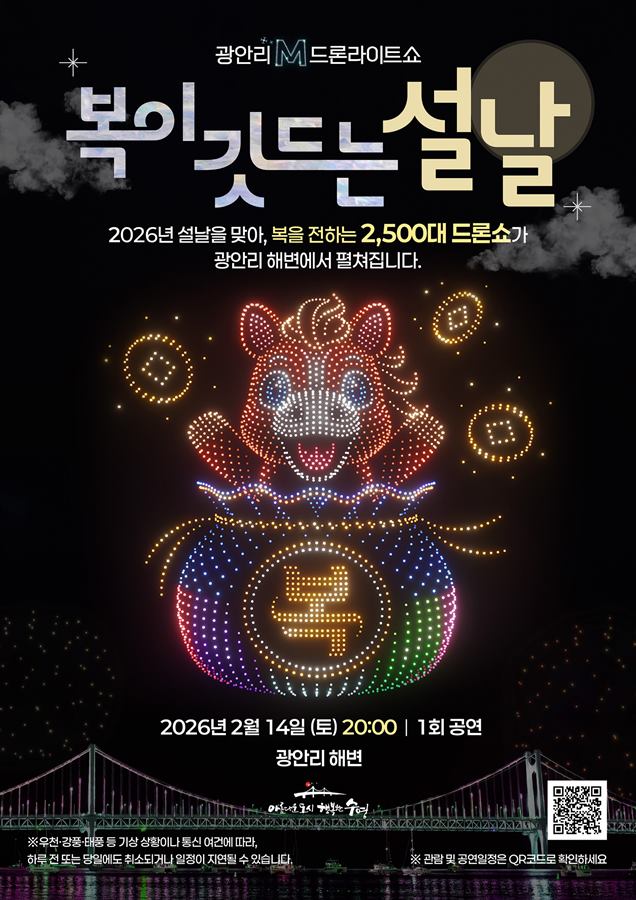
source: visitbusanCelebrate the joyous beginning of the Lunar New Year holiday at Gwangalli Beach. On Feb. 14, the Gwangalli M Drone Light Show will present a delightful spectacle, featuring 2,500 drones dancing across the night sky. The drones will weave intricate patterns representing the spirit of the New Year, as if Busan is sending a message of grand fortune to all, wishing everyone a fruitful and inspired year ahead. Scheduled for 8 p.m., this exclusive performance will take place only once, making it a must-see event for residents and visitors alike. To ensure safety and smooth operation, traffic restrictions will be in place from 7 to 9 p.m. on Feb. 14, covering the area from the Gwangalli SUP Zone intersection to Millak Hoe Town. Visitors are encouraged to arrive early and use public transportation when possible.Additionally, because the drones use frequency bands similar to Wi-Fi, free public Wi-Fi and mobile carrier Wi-Fi services will be temporarily suspended from 7 to 9 p.m. Attendees are also advised to turn off Wi-Fi on their mobile devices during the performance to help maintain stable drone flightsPlease note that, in the event of technical issues or adverse weather conditions, such as rain or strong winds, the show may be canceled or postponed, with updates provided up to the day of the event.As the long Lunar New Year holiday approaches, this dazzling display will fill the air with a festive and rich ambiance. Why not immerse yourself in these vivid visuals and exchange well-wishes for the year ahead against the iconic backdrop of Gwangalli?※ Gwangalli Marvelous Drone Light Show: A Seollal filled with Blessings ◎ Time: 8 p.m. on Feb. 14◎ Watch live on YouTube: @suyeongguTV<Today's Vocabulary - 오늘의 단어>intricate: 복잡한 restriction: 제한 postpone: 지연하다 ambiance: 분위기Editor: Song SoomiCopy Editors: Ryu Hyoseung, Anton J. Mapoy
Celebrate Lunar New Year with a spectacular drone show
source: visitbusanCelebrate the joyous beginning of the Lunar New Year holiday at Gwangalli Beach. On Feb. 14, the Gwangalli M Drone Light Show will present a delightful spectacle, featuring 2,500 drones dancing across the night sky. The drones will weave intricate patterns representing the spirit of the New Year, as if Busan is sending a message of grand fortune to all, wishing everyone a fruitful and inspired year ahead. Scheduled for 8 p.m., this exclusive performance will take place only once, making it a must-see event for residents and visitors alike. To ensure safety and smooth operation, traffic restrictions will be in place from 7 to 9 p.m. on Feb. 14, covering the area from the Gwangalli SUP Zone intersection to Millak Hoe Town. Visitors are encouraged to arrive early and use public transportation when possible.Additionally, because the drones use frequency bands similar to Wi-Fi, free public Wi-Fi and mobile carrier Wi-Fi services will be temporarily suspended from 7 to 9 p.m. Attendees are also advised to turn off Wi-Fi on their mobile devices during the performance to help maintain stable drone flightsPlease note that, in the event of technical issues or adverse weather conditions, such as rain or strong winds, the show may be canceled or postponed, with updates provided up to the day of the event.As the long Lunar New Year holiday approaches, this dazzling display will fill the air with a festive and rich ambiance. Why not immerse yourself in these vivid visuals and exchange well-wishes for the year ahead against the iconic backdrop of Gwangalli?※ Gwangalli Marvelous Drone Light Show: A Seollal filled with Blessings ◎ Time: 8 p.m. on Feb. 14◎ Watch live on YouTube: @suyeongguTV<Today's Vocabulary - 오늘의 단어>intricate: 복잡한 restriction: 제한 postpone: 지연하다 ambiance: 분위기Editor: Song SoomiCopy Editors: Ryu Hyoseung, Anton J. Mapoy
-
 A different side of Busan
Dadaepo Beach in late afternoon, one of West Busan's calm winter destinations, best explored at an unhurried pace as the seasons change. For many travelers, Busan is synonymous with summer - sun-soaked beaches, lively crowds and nonstop energy. But when winter arrives, the city shifts gears. The air turns crisp, the streets grow calmer and a quieter side of Busan emerges. Nowhere is this transformation more striking than in Western Busan, where winter invites a slower, more reflective way to explore. The west side of town lets visitors uncover neighborhoods shaped by the memories of times past.Bosu-dong Book StreetYeongdo Kangkangee Arts VillageJung-gu and Yeongdo-gu In Jung-gu District, Bosu-dong Book Street offers a warm escape from the cold. Secondhand bookstores line a narrow alley, filled with faded shelves and the comforting scent of old paper. Browsing here is an unhurried exercise, where meandering is the goal. Across the water in Yeongdo-gu, Kangkangee Arts Village blends industrial history with contemporary creativity. Once a ship repair site, its workshops now house studios and cultural spaces. The winter stillness amplifies the vestiges of Busan's working-class past, quietly woven into local neighborhoods.A monorail at Dakbatgol Mural VillageSand dunes at Dadaepo BeachSeo-gu and Saha-gu Further west, Dakbatgol Mural Village in Seo-gu District offers a charming hillside community. Colorful murals brighten steep stairways, while Korea's first suspension-style monorail takes riders across the slopes. In Saha-gu District, winter reshapes Dadaepo Beach into something unexpected. Wind-sculpted dunes stretch along the shore, where sea and desert-like landscapes meet beneath low winter sunlight. Geumbit Noeul BridgeMyeongji Migratory Bird ObservatoryBeomeosa TempleGangseo-gu, Buk-gu, & Geumjeong-gu Nature lovers will find calm at the Myeongji Migratory Bird Observatory in Gangseo-gu District, where migratory birds gather at the Nakdonggang River Estuary. Nearby, Geumbit Noeul Bridge in Buk-gu District offers breathtaking sunset views. The journey ends peacefully at Beomeosa Temple in Geumjeong-gu District. Nestled at the foot of Geumjeongsan Mountain, the temple is a space for quiet contemplation.
A different side of Busan
Dadaepo Beach in late afternoon, one of West Busan's calm winter destinations, best explored at an unhurried pace as the seasons change. For many travelers, Busan is synonymous with summer - sun-soaked beaches, lively crowds and nonstop energy. But when winter arrives, the city shifts gears. The air turns crisp, the streets grow calmer and a quieter side of Busan emerges. Nowhere is this transformation more striking than in Western Busan, where winter invites a slower, more reflective way to explore. The west side of town lets visitors uncover neighborhoods shaped by the memories of times past.Bosu-dong Book StreetYeongdo Kangkangee Arts VillageJung-gu and Yeongdo-gu In Jung-gu District, Bosu-dong Book Street offers a warm escape from the cold. Secondhand bookstores line a narrow alley, filled with faded shelves and the comforting scent of old paper. Browsing here is an unhurried exercise, where meandering is the goal. Across the water in Yeongdo-gu, Kangkangee Arts Village blends industrial history with contemporary creativity. Once a ship repair site, its workshops now house studios and cultural spaces. The winter stillness amplifies the vestiges of Busan's working-class past, quietly woven into local neighborhoods.A monorail at Dakbatgol Mural VillageSand dunes at Dadaepo BeachSeo-gu and Saha-gu Further west, Dakbatgol Mural Village in Seo-gu District offers a charming hillside community. Colorful murals brighten steep stairways, while Korea's first suspension-style monorail takes riders across the slopes. In Saha-gu District, winter reshapes Dadaepo Beach into something unexpected. Wind-sculpted dunes stretch along the shore, where sea and desert-like landscapes meet beneath low winter sunlight. Geumbit Noeul BridgeMyeongji Migratory Bird ObservatoryBeomeosa TempleGangseo-gu, Buk-gu, & Geumjeong-gu Nature lovers will find calm at the Myeongji Migratory Bird Observatory in Gangseo-gu District, where migratory birds gather at the Nakdonggang River Estuary. Nearby, Geumbit Noeul Bridge in Buk-gu District offers breathtaking sunset views. The journey ends peacefully at Beomeosa Temple in Geumjeong-gu District. Nestled at the foot of Geumjeongsan Mountain, the temple is a space for quiet contemplation.
Food
-
 The street foods that define Busan winters
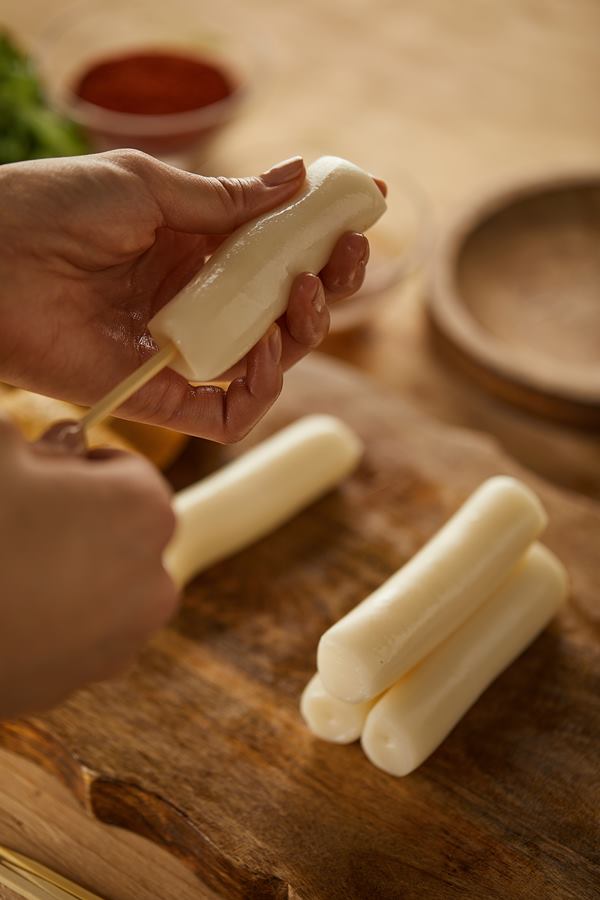
source: getty imageIn any neighborhood and at any hour, people will stand around vinyl tents, warmed by steam emanating from cooktops. These food stalls, ubiquitous nationwide, specialize in Korean snacks and beckon peckish passersby with promises of soul-warming meals. Through that magic combination of flavor and nostalgia, these comfort foods have the power to cure whatever ails you.Broken heart? Tteokbokki. Job-related stress? Gimbap. Existential crisis? Ramyeon.When what ails you is the weather, specifically biting winds and freezing temperatures, healing comes in two forms: "Eomuk," fish cakes, or "multteok," rice cakes in broth. These cold-weather staples warm the body and the mind.🍥 MultteokEomuk's longtime partner is multteok, long, chewy rice cakes skewered and gently soaked in the same fish cake broth. The result is a tender, springy and subtly savory snack. Common at Busan snack stalls since at least the 1960s, multteok is rarely found outside the region.Sometimes used as a base for tteokbokki, multteok adds an extra layer of depth to the familiar sweet-spicy dish. For the most authentic experience, head to traditional markets in Jagalchi or Bujeon, where eomuk and multteok attract long lines at bustling street stalls.<Today's Vocabulary - 오늘의 단어>neighborhood: 지역 tender: 부드러운 springy: 탄력 있는 authentic: 정통의Editor: Song SoomiCopy Editors: Ryu Hyoseung, Anton J. Mapoy
The street foods that define Busan winters
source: getty imageIn any neighborhood and at any hour, people will stand around vinyl tents, warmed by steam emanating from cooktops. These food stalls, ubiquitous nationwide, specialize in Korean snacks and beckon peckish passersby with promises of soul-warming meals. Through that magic combination of flavor and nostalgia, these comfort foods have the power to cure whatever ails you.Broken heart? Tteokbokki. Job-related stress? Gimbap. Existential crisis? Ramyeon.When what ails you is the weather, specifically biting winds and freezing temperatures, healing comes in two forms: "Eomuk," fish cakes, or "multteok," rice cakes in broth. These cold-weather staples warm the body and the mind.🍥 MultteokEomuk's longtime partner is multteok, long, chewy rice cakes skewered and gently soaked in the same fish cake broth. The result is a tender, springy and subtly savory snack. Common at Busan snack stalls since at least the 1960s, multteok is rarely found outside the region.Sometimes used as a base for tteokbokki, multteok adds an extra layer of depth to the familiar sweet-spicy dish. For the most authentic experience, head to traditional markets in Jagalchi or Bujeon, where eomuk and multteok attract long lines at bustling street stalls.<Today's Vocabulary - 오늘의 단어>neighborhood: 지역 tender: 부드러운 springy: 탄력 있는 authentic: 정통의Editor: Song SoomiCopy Editors: Ryu Hyoseung, Anton J. Mapoy
-
 The street foods that define Busan winters
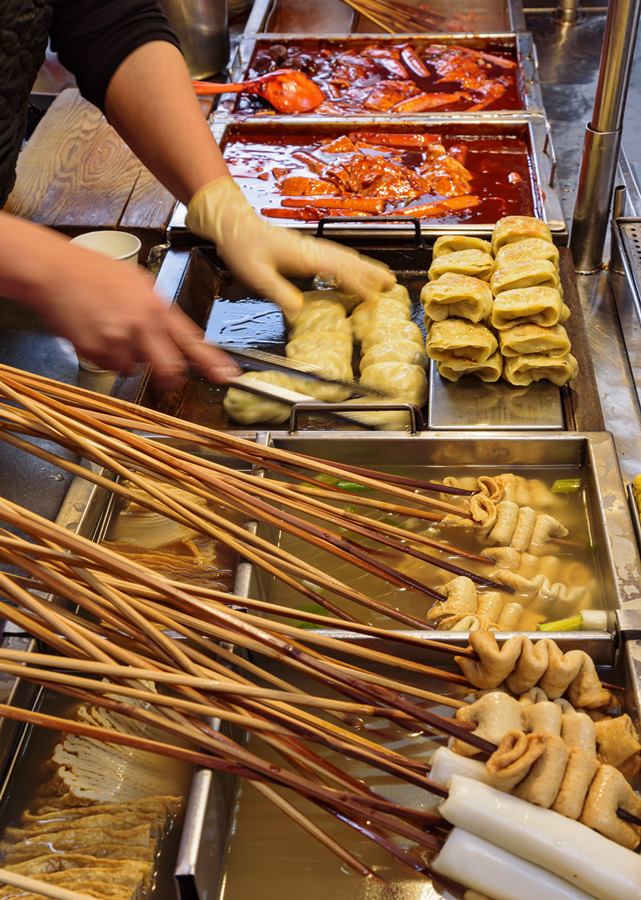
source: getty imageIn any neighborhood and at any hour, people will stand around vinyl tents, warmed by steam emanating from cooktops. These food stalls, ubiquitous nationwide, specialize in Korean snacks and beckon peckish passersby with promises of soul-warming meals. Through that magic combination of flavor and nostalgia, these comfort foods have the power to cure whatever ails you.Broken heart? Tteokbokki. Job-related stress? Gimbap.Existential crisis? Ramyeon.When what ails you is the weather, specifically biting winds and freezing temperatures, healing comes in two forms: "Eomuk," fish cakes, or "multteok," rice cakes in broth. These cold-weather staples warm the body and the mind.🍥 Busan eomukWhen it's cold out, many Koreans instinctively reach for eomuk. If you've spent any time wandering Busan streets, you know exactly what that is: Ribbons of skewered fish cakes relaxing in a warm and savory broth.While enjoyed nationwide, Busan eomuk stands apart. Thanks to Busan's coastal location and access to fresh seafood, Busan eomuk delivers rich flavor and a firm bite, earning its place among the city's must-try specialties.Eomuk traces its roots to Japanese "kamaboko" and "oden," the most familiar version being the pink-and-white half-moon fish cakes floating in a bowl of ramen. Fish cakes were introduced in Korea during the Japanese Occupation. Given Busan's port and proximity to Japan, several fish cake factories were established in the city. After liberation, Korean producers adapted the fish cakes to suit local tastes, creating what is now recognized as authentic, Busan-style eomuk.What truly distinguishes Busan eomuk today is quality. Many Busan producers use up to 70 percent fish meat, well above the typical 50 to 60 percent of other producers, resulting in a cleaner, more robust taste (the filler is usually starch, flour and vegetables). Innovation continues with creative additions like black sesame or cream cheese, as well as playful forms such as eomuk noodles and croquettes. The classics remain, but there is always something new to discover.<Today's Vocabulary - 오늘의 단어>neighborhood: 지역 ubiquitous: 어디에나 있는 beckon: 손짓하다 peckish: 약간 배가 고픈 nostalgia: 향수 broth: 육수 liberation: 해방 Editor: Song SoomiCopy Editors: Ryu Hyoseung, Anton J. Mapoy
The street foods that define Busan winters
source: getty imageIn any neighborhood and at any hour, people will stand around vinyl tents, warmed by steam emanating from cooktops. These food stalls, ubiquitous nationwide, specialize in Korean snacks and beckon peckish passersby with promises of soul-warming meals. Through that magic combination of flavor and nostalgia, these comfort foods have the power to cure whatever ails you.Broken heart? Tteokbokki. Job-related stress? Gimbap.Existential crisis? Ramyeon.When what ails you is the weather, specifically biting winds and freezing temperatures, healing comes in two forms: "Eomuk," fish cakes, or "multteok," rice cakes in broth. These cold-weather staples warm the body and the mind.🍥 Busan eomukWhen it's cold out, many Koreans instinctively reach for eomuk. If you've spent any time wandering Busan streets, you know exactly what that is: Ribbons of skewered fish cakes relaxing in a warm and savory broth.While enjoyed nationwide, Busan eomuk stands apart. Thanks to Busan's coastal location and access to fresh seafood, Busan eomuk delivers rich flavor and a firm bite, earning its place among the city's must-try specialties.Eomuk traces its roots to Japanese "kamaboko" and "oden," the most familiar version being the pink-and-white half-moon fish cakes floating in a bowl of ramen. Fish cakes were introduced in Korea during the Japanese Occupation. Given Busan's port and proximity to Japan, several fish cake factories were established in the city. After liberation, Korean producers adapted the fish cakes to suit local tastes, creating what is now recognized as authentic, Busan-style eomuk.What truly distinguishes Busan eomuk today is quality. Many Busan producers use up to 70 percent fish meat, well above the typical 50 to 60 percent of other producers, resulting in a cleaner, more robust taste (the filler is usually starch, flour and vegetables). Innovation continues with creative additions like black sesame or cream cheese, as well as playful forms such as eomuk noodles and croquettes. The classics remain, but there is always something new to discover.<Today's Vocabulary - 오늘의 단어>neighborhood: 지역 ubiquitous: 어디에나 있는 beckon: 손짓하다 peckish: 약간 배가 고픈 nostalgia: 향수 broth: 육수 liberation: 해방 Editor: Song SoomiCopy Editors: Ryu Hyoseung, Anton J. Mapoy
-
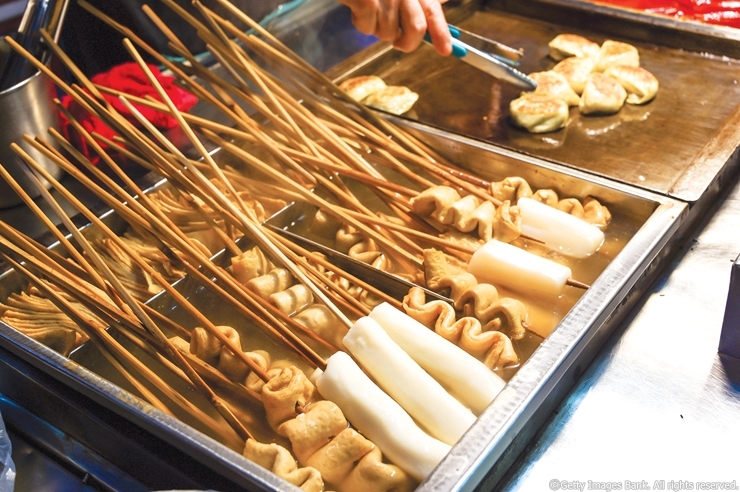 The street foods that define Busan winters
Skeweres of eomuk and multteok are reasonably priced, ranging from 1,000 to 1,500 won each. Most street vendors offer free soup in paper cups, making it a great way to enjoy them together. In any neighborhood and at any hour, people will stand around vinyl tents, warmed by steam emanating from cooktops. These food stalls, ubiquitous nationwide, specialize in Korean snacks and beckon peckish passersby with promises of soul-warming meals. Through that magic combination of flavor and nostalgia, these comfort foods have the power to cure whatever ails you. Broken heart? Tteokbokki. Job-related stress? Gimbap. Existential crisis? Ramyeon. When what ails you is the weather, specifically biting winds and freezing temperatures, healing comes in two forms: "Eomuk," fish cakes, or "multteok," rice cakes in broth. These cold-weather staples warm the body and the mind.Eomuk and multteok are favored snacks year-round, but especially in winter.■Busan eomuk When it's cold out, many Koreans instinctively reach for eomuk. If you've spent any time wandering Busan streets, you know exactly what that is: Ribbons of skewered fish cakes relaxing in a warm and savory broth. While enjoyed nationwide, Busan eomuk stands apart. Thanks to Busan's coastal location and access to fresh seafood, Busan eomuk delivers rich flavor and a firm bite, earning its place among the city's must-try specialties. Eomuk traces its roots to Japanese "kamaboko" and "oden," the most familiar version being the pink-and-white half-moon fish cakes floating in a bowl of ramen. Fish cakes were introduced in Korea during the Japanese Occupation. Given Busan's port and proximity to Japan, several fish cake factories were established in the city. After liberation, Korean producers adapted the fish cakes to suit local tastes, creating what is now recognized as authentic, Busan-style eomuk. What truly distinguishes Busan eomuk today is quality. Many Busan producers use up to 70 percent fish meat, well above the typical 50 to 60 percent of other producers, resulting in a cleaner, more robust taste (the filler is usually starch, flour and vegetables). Innovation continues with creative additions like black sesame or cream cheese, as well as playful forms such as eomuk noodles and croquettes. The classics remain, but there is always something new to discover.■Multteok Eomuk's longtime partner is multteok, long, chewy rice cakes skewered and gently soaked in the same fish cake broth. The result is a tender, springy and subtly savory snack. Common at Busan snack stalls since at least the 1960s, multteok is rarely found outside the region. Sometimes used as a base for tteokbokki, multteok adds an extra layer of depth to the familiar sweet-spicy dish. For the most authentic experience, head to traditional markets in Jagalchi or Bujeon, where eomuk and multteok attract long lines at bustling street stalls.
The street foods that define Busan winters
Skeweres of eomuk and multteok are reasonably priced, ranging from 1,000 to 1,500 won each. Most street vendors offer free soup in paper cups, making it a great way to enjoy them together. In any neighborhood and at any hour, people will stand around vinyl tents, warmed by steam emanating from cooktops. These food stalls, ubiquitous nationwide, specialize in Korean snacks and beckon peckish passersby with promises of soul-warming meals. Through that magic combination of flavor and nostalgia, these comfort foods have the power to cure whatever ails you. Broken heart? Tteokbokki. Job-related stress? Gimbap. Existential crisis? Ramyeon. When what ails you is the weather, specifically biting winds and freezing temperatures, healing comes in two forms: "Eomuk," fish cakes, or "multteok," rice cakes in broth. These cold-weather staples warm the body and the mind.Eomuk and multteok are favored snacks year-round, but especially in winter.■Busan eomuk When it's cold out, many Koreans instinctively reach for eomuk. If you've spent any time wandering Busan streets, you know exactly what that is: Ribbons of skewered fish cakes relaxing in a warm and savory broth. While enjoyed nationwide, Busan eomuk stands apart. Thanks to Busan's coastal location and access to fresh seafood, Busan eomuk delivers rich flavor and a firm bite, earning its place among the city's must-try specialties. Eomuk traces its roots to Japanese "kamaboko" and "oden," the most familiar version being the pink-and-white half-moon fish cakes floating in a bowl of ramen. Fish cakes were introduced in Korea during the Japanese Occupation. Given Busan's port and proximity to Japan, several fish cake factories were established in the city. After liberation, Korean producers adapted the fish cakes to suit local tastes, creating what is now recognized as authentic, Busan-style eomuk. What truly distinguishes Busan eomuk today is quality. Many Busan producers use up to 70 percent fish meat, well above the typical 50 to 60 percent of other producers, resulting in a cleaner, more robust taste (the filler is usually starch, flour and vegetables). Innovation continues with creative additions like black sesame or cream cheese, as well as playful forms such as eomuk noodles and croquettes. The classics remain, but there is always something new to discover.■Multteok Eomuk's longtime partner is multteok, long, chewy rice cakes skewered and gently soaked in the same fish cake broth. The result is a tender, springy and subtly savory snack. Common at Busan snack stalls since at least the 1960s, multteok is rarely found outside the region. Sometimes used as a base for tteokbokki, multteok adds an extra layer of depth to the familiar sweet-spicy dish. For the most authentic experience, head to traditional markets in Jagalchi or Bujeon, where eomuk and multteok attract long lines at bustling street stalls.
Life
-
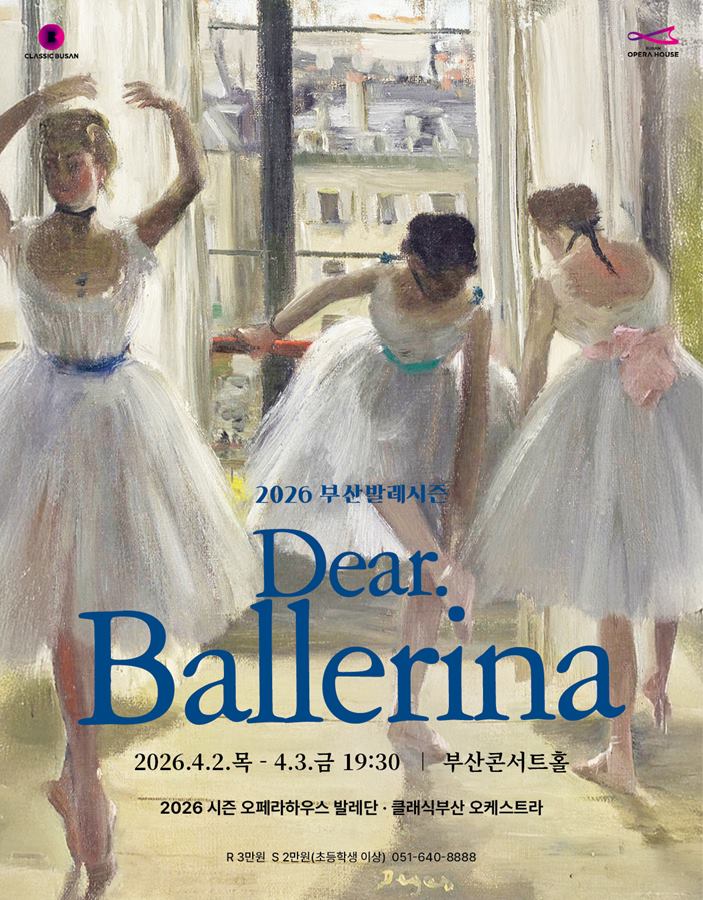 ‘Dear Ballerina’ shows life on stage and behind the curtain
A warm spring breeze brings ballerinas and their elegant yet fierce artistic lives to the stage. From April 2 to 3, the “2026 Busan Ballet Season: Dear Ballerina” will take place at the Busan Concert Hall. Themed around the honest, behind-the-scenes lives of ballerinas, the performance features the Busan Opera House Ballet under the direction of Joo Won Kim, its artistic director and a former prima ballerina of the Korean National Ballet. Beyond the captivating glamour and charisma seen on stage, the concert spotlights the dancers’ daily journey toward perfection. Their ordinary days are packed with intense practice and silent endurance, pushing past their own limits to achieve the sublime. Audiences are invited to witness firsthand the grit required to deliver a spotless performance. By weaving together scenes from both behind the curtain and center stage, the program allows viewers to immerse themselves in the intensity, passion and sophisticated artistry of ballet. Along with mingling melodies, this raw portrayal of the artists’ journey promises to leave a heartwarming impression and offer deep comfort to all in attendance. On both days, the performance begins at 7:30 p.m. and runs for 90 minutes without intermission. Those born in or before 2019 are eligible to watch the show. Ticket prices vary are 30,000 won for R seats and 20,000 won for S seats. Various discounts are available, including those for Busan Concert Hall paid members, teenagers, multi-child families and Artist Pass holders. Tickets can be purchased via the Busan Concert Hall website or Interpark Ticket. For more details, please visit the official website at the link below. ※ “Dear. Ballerina,” April 2 and 3Busan Concert Hall: 250 Dongpyeong-ro, Busanjin-guGoogle Maps: Click ◎ Time: 7:30 p.m. ◎ Price: R seat: 30,000 won / S seat: 20,000 won◎ Age Eligibility: Those born in 2019 or before◎ Tickets: - via Busan Concert Hall: Click - via Interpark NOL Ticket: Click
‘Dear Ballerina’ shows life on stage and behind the curtain
A warm spring breeze brings ballerinas and their elegant yet fierce artistic lives to the stage. From April 2 to 3, the “2026 Busan Ballet Season: Dear Ballerina” will take place at the Busan Concert Hall. Themed around the honest, behind-the-scenes lives of ballerinas, the performance features the Busan Opera House Ballet under the direction of Joo Won Kim, its artistic director and a former prima ballerina of the Korean National Ballet. Beyond the captivating glamour and charisma seen on stage, the concert spotlights the dancers’ daily journey toward perfection. Their ordinary days are packed with intense practice and silent endurance, pushing past their own limits to achieve the sublime. Audiences are invited to witness firsthand the grit required to deliver a spotless performance. By weaving together scenes from both behind the curtain and center stage, the program allows viewers to immerse themselves in the intensity, passion and sophisticated artistry of ballet. Along with mingling melodies, this raw portrayal of the artists’ journey promises to leave a heartwarming impression and offer deep comfort to all in attendance. On both days, the performance begins at 7:30 p.m. and runs for 90 minutes without intermission. Those born in or before 2019 are eligible to watch the show. Ticket prices vary are 30,000 won for R seats and 20,000 won for S seats. Various discounts are available, including those for Busan Concert Hall paid members, teenagers, multi-child families and Artist Pass holders. Tickets can be purchased via the Busan Concert Hall website or Interpark Ticket. For more details, please visit the official website at the link below. ※ “Dear. Ballerina,” April 2 and 3Busan Concert Hall: 250 Dongpyeong-ro, Busanjin-guGoogle Maps: Click ◎ Time: 7:30 p.m. ◎ Price: R seat: 30,000 won / S seat: 20,000 won◎ Age Eligibility: Those born in 2019 or before◎ Tickets: - via Busan Concert Hall: Click - via Interpark NOL Ticket: Click
-
 Unlimited public transit for 45,000 won
Starting April 1, Busan residents can practically enjoy unlimited use of public transportation for 45,000 won per month. This is possible due to the merger of Busan’s Dongbaek Pass and the national government’s Card for Everyone program, which falls under the K-Pass umbrella.Currently, Dongbaek Pass users receive refunds for public transportation expenses exceeding 45,000 won per month, up to a maximum refund limit of 45,000 won. On the other hand, Card for Everyone (General) users receive unlimited refunds for public transportation costs exceeding 55,000 won per month. Once the programs merge, users will receive unlimited refunds on public transportation expenses exceeding 45,000 won (no maximum refund limit). To receive this benefit, users must be subscribed to both Dongbaek Pass and K-Pass. Current Dongbaek Pass users do not need to apply for a new transit card; they need to register with K-Pass if they haven’t already. The system will automatically apply the most beneficial reward based on the user’s individual usage pattern. The rewards vary depending on the registered user’s classification (general, youth, low-income, etc.). The benefit is also available to international residents legally registered in Korea.◎ Learn more about the new Dongbaek Pass: Click
Unlimited public transit for 45,000 won
Starting April 1, Busan residents can practically enjoy unlimited use of public transportation for 45,000 won per month. This is possible due to the merger of Busan’s Dongbaek Pass and the national government’s Card for Everyone program, which falls under the K-Pass umbrella.Currently, Dongbaek Pass users receive refunds for public transportation expenses exceeding 45,000 won per month, up to a maximum refund limit of 45,000 won. On the other hand, Card for Everyone (General) users receive unlimited refunds for public transportation costs exceeding 55,000 won per month. Once the programs merge, users will receive unlimited refunds on public transportation expenses exceeding 45,000 won (no maximum refund limit). To receive this benefit, users must be subscribed to both Dongbaek Pass and K-Pass. Current Dongbaek Pass users do not need to apply for a new transit card; they need to register with K-Pass if they haven’t already. The system will automatically apply the most beneficial reward based on the user’s individual usage pattern. The rewards vary depending on the registered user’s classification (general, youth, low-income, etc.). The benefit is also available to international residents legally registered in Korea.◎ Learn more about the new Dongbaek Pass: Click
-
 Upcoming Events
image source: getty image 🍅 Daejeo Tomato FestivalMeet the famous Daejeo Tomato, a local specialty known for its unique sweet-and-salty flavor. Visit and celebrate the arrival of spring with vibrant, tomato-themed activities that you can experience firsthand! ■Location: Gangseo Sports Park and surrounding areas (1-1, Daejeo 1-dong, Gangseo-gu)■Date: March 21 - 22🌸 Nakdonggang Riverside Cherry Blossom FestivalExperience the magical return of spring with cherry blossoms along the Nakdonggang River. Enjoy a stroll under a canopy of dancing pink petals swaying in the breeze. Snapping a photo against this dreamy backdrop might be perfect for your next profile picture! ■Location: Daejeo Eco Park and surrounding areas (1-5, Daejeo 1-dong, Gangseo-gu)■Date: April 3 - 5⛵ Busan International Boat Show 2026Dive into the charm of yachts and the future of maritime leisure. Explore the latest trends and cutting-edge marine technology along with various related activities.■Location: BEXCO Exhibition Center 1, Hall 2-3■Date: April 17 to 19※Events are subject to change, postponement, or cancellation.<Today's Vocabulary - 오늘의 단어>specialty: 특산물 stroll: 산책 maritime: 해양의 postponement: 지연Editor: Song SoomiCopy Editors: Ryu Hyoseung, Anton J. Mapoy
Upcoming Events
image source: getty image 🍅 Daejeo Tomato FestivalMeet the famous Daejeo Tomato, a local specialty known for its unique sweet-and-salty flavor. Visit and celebrate the arrival of spring with vibrant, tomato-themed activities that you can experience firsthand! ■Location: Gangseo Sports Park and surrounding areas (1-1, Daejeo 1-dong, Gangseo-gu)■Date: March 21 - 22🌸 Nakdonggang Riverside Cherry Blossom FestivalExperience the magical return of spring with cherry blossoms along the Nakdonggang River. Enjoy a stroll under a canopy of dancing pink petals swaying in the breeze. Snapping a photo against this dreamy backdrop might be perfect for your next profile picture! ■Location: Daejeo Eco Park and surrounding areas (1-5, Daejeo 1-dong, Gangseo-gu)■Date: April 3 - 5⛵ Busan International Boat Show 2026Dive into the charm of yachts and the future of maritime leisure. Explore the latest trends and cutting-edge marine technology along with various related activities.■Location: BEXCO Exhibition Center 1, Hall 2-3■Date: April 17 to 19※Events are subject to change, postponement, or cancellation.<Today's Vocabulary - 오늘의 단어>specialty: 특산물 stroll: 산책 maritime: 해양의 postponement: 지연Editor: Song SoomiCopy Editors: Ryu Hyoseung, Anton J. Mapoy
Views
-
![[SNAPSHOT BUSAN] Busan springs to life after a long winter thumbnail](/ImagePrint.do?dir=smartEditor&savename=a90fefe5f80846829a9b2653c40b4aa0&realname=8-1cw24리틀야구_이민재.jpg&fileext=jpg&filetype=image/jpeg&filesize=317945) [SNAPSHOT BUSAN] Busan springs to life after a long winter
While Busan is a global hub of commerce, culture and technology, it is also a city where ordinary people live out their daily lives. Away from the glitz and glamour, people chase dreams, spend time with loved ones and experience the highs and lows of a life well lived. Snapshot Busan captures these quiet moments and shows the inherent beauty in daily routines. This edition features Busan citizens spending time outdoors and embracing the early spring. The promise of warmer weather and longer days imbues each scene with a revitalizing energy. All images were taken at Hwamyeong Eco Park in Buk-gu District by photographer Minjae Lee.Cherry blossoms don't just herald the arrival of spring; they are a sign that it's baseball season. In Busan, baseball is a family heirloom, a joy passed from one generation to the next.Busanites also love soccer, where a passion for the game pulls people onto the pitch.A familiar sight when the weather is nice; Fathers chasing after their energetic children.
[SNAPSHOT BUSAN] Busan springs to life after a long winter
While Busan is a global hub of commerce, culture and technology, it is also a city where ordinary people live out their daily lives. Away from the glitz and glamour, people chase dreams, spend time with loved ones and experience the highs and lows of a life well lived. Snapshot Busan captures these quiet moments and shows the inherent beauty in daily routines. This edition features Busan citizens spending time outdoors and embracing the early spring. The promise of warmer weather and longer days imbues each scene with a revitalizing energy. All images were taken at Hwamyeong Eco Park in Buk-gu District by photographer Minjae Lee.Cherry blossoms don't just herald the arrival of spring; they are a sign that it's baseball season. In Busan, baseball is a family heirloom, a joy passed from one generation to the next.Busanites also love soccer, where a passion for the game pulls people onto the pitch.A familiar sight when the weather is nice; Fathers chasing after their energetic children.
-
![[SNAPSHOT BUSAN] The people who start Busan's day thumbnail](/ImagePrint.do?dir=smartEditor&savename=b019a64a8ed14f72b63e319f203884a6&realname=8-1cw28송도해수욕장_이민재.jpg&fileext=jpg&filetype=image/jpeg&filesize=267618) [SNAPSHOT BUSAN] The people who start Busan's day
Busan remains where it is, yet the city wears countless layers of captivating moments. A fleeting slice of time may pass quickly, but it leaves a deep trace of the city's day behind. "Snapshot Busan" finds a tranquil angle on these scenes and captures them. In this edition, we turn our gaze toward morning people, those who breathe life into the city. Even before the sun rises, Busan's "morning larks" are already busy working, waking the city with their vibrant energy. These unheralded citizens rise early to make sure the rest of us have everything we need to make it through the day.Songdo Beach, Korea's oldest beach, has welcomed countless people for generations. like the grandmother and granddaughter in the photo, who are enjoying their morning exercise.Busan Cooperative Fish Market buzzes with energy from dawn.Baristas around the city make espresso shots that power Busan's labor force.
[SNAPSHOT BUSAN] The people who start Busan's day
Busan remains where it is, yet the city wears countless layers of captivating moments. A fleeting slice of time may pass quickly, but it leaves a deep trace of the city's day behind. "Snapshot Busan" finds a tranquil angle on these scenes and captures them. In this edition, we turn our gaze toward morning people, those who breathe life into the city. Even before the sun rises, Busan's "morning larks" are already busy working, waking the city with their vibrant energy. These unheralded citizens rise early to make sure the rest of us have everything we need to make it through the day.Songdo Beach, Korea's oldest beach, has welcomed countless people for generations. like the grandmother and granddaughter in the photo, who are enjoying their morning exercise.Busan Cooperative Fish Market buzzes with energy from dawn.Baristas around the city make espresso shots that power Busan's labor force.
-
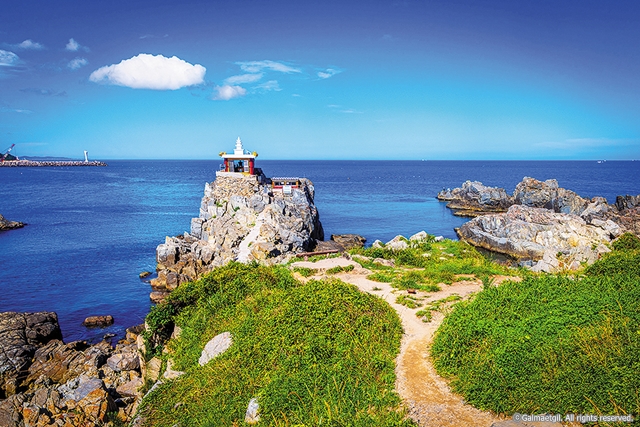%20%EC%98%A4%EB%9E%91%EB%8C%80_%EA%B0%88%EB%A7%B7%EA%B8%B8.jpg&fileext=jpg&filetype=image/jpeg&filesize=314941) Going the extra mile to understand Busan
The Busan Galmaetgil is a sweeping walking trail that traces the city's natural outline, gradually connecting Busan into a single vibrant loop. Stretching about 279 kilometers, the route is divided into nine main courses and 23 sections, designed to showcase the city's exceptional natural assets and modern urban charm. Along the way, dramatic seascapes meet lush green mountains, while soaring cityscapes blend effortlessly with the warmth of intimate communities. Walking the Galmaetgil offers an immediate sense of Busan's rhythm. The trail moves from the steady crash of waves to forested slopes, then slips into quiet alleys where everyday life unfolds at an unhurried pace. Rather than presenting the city as a series of landmarks, the path reveals how Busan is shaped and lived in, step by step. Accessibility is one of Galmaetgil's strongest features. Many sections begin near subway stations or bus stops, making it easy to choose routes that match different schedules and energy levels. The thoughtful design allows walkers of varying abilities to enjoy the experience comfortably, whether for a short stroll or a full-day hike. More than a sightseeing route, the Galmaetgil invites understanding. It passes fishing villages, harbors and timeworn streets, offering an honest look at daily life. By following these paths, visitors gain a clear sense of Busan's character and the places that shape the people who live here.Orangdae (Route 1-2) Dongbaekseom Island (Route 2-1) Yeongdo Sky Observatory (Route 3-3) Dudo Observatory (Route 4-1) Yeondae Peak (Route 5-2) Samnak Ecological Park Lotus Complex (Route 6-1) Seongjigok Reservoir Cypress Forest Trail (Route 7-1) Hoedong-dong Suyeong Riverside Trail (Route 8-1) Yongso Well-Being Park (Route 9-2) <Today's Vocabulary - 오늘의 단어>Accessibility: 접근성 Sightseeing: 관광 Cityscape: 도시 풍경Editor: Song SoomiCopy Editors: Ryu Hyoseung, Anton J. Mapoy
Going the extra mile to understand Busan
The Busan Galmaetgil is a sweeping walking trail that traces the city's natural outline, gradually connecting Busan into a single vibrant loop. Stretching about 279 kilometers, the route is divided into nine main courses and 23 sections, designed to showcase the city's exceptional natural assets and modern urban charm. Along the way, dramatic seascapes meet lush green mountains, while soaring cityscapes blend effortlessly with the warmth of intimate communities. Walking the Galmaetgil offers an immediate sense of Busan's rhythm. The trail moves from the steady crash of waves to forested slopes, then slips into quiet alleys where everyday life unfolds at an unhurried pace. Rather than presenting the city as a series of landmarks, the path reveals how Busan is shaped and lived in, step by step. Accessibility is one of Galmaetgil's strongest features. Many sections begin near subway stations or bus stops, making it easy to choose routes that match different schedules and energy levels. The thoughtful design allows walkers of varying abilities to enjoy the experience comfortably, whether for a short stroll or a full-day hike. More than a sightseeing route, the Galmaetgil invites understanding. It passes fishing villages, harbors and timeworn streets, offering an honest look at daily life. By following these paths, visitors gain a clear sense of Busan's character and the places that shape the people who live here.Orangdae (Route 1-2) Dongbaekseom Island (Route 2-1) Yeongdo Sky Observatory (Route 3-3) Dudo Observatory (Route 4-1) Yeondae Peak (Route 5-2) Samnak Ecological Park Lotus Complex (Route 6-1) Seongjigok Reservoir Cypress Forest Trail (Route 7-1) Hoedong-dong Suyeong Riverside Trail (Route 8-1) Yongso Well-Being Park (Route 9-2) <Today's Vocabulary - 오늘의 단어>Accessibility: 접근성 Sightseeing: 관광 Cityscape: 도시 풍경Editor: Song SoomiCopy Editors: Ryu Hyoseung, Anton J. Mapoy

 busan.go.kr +